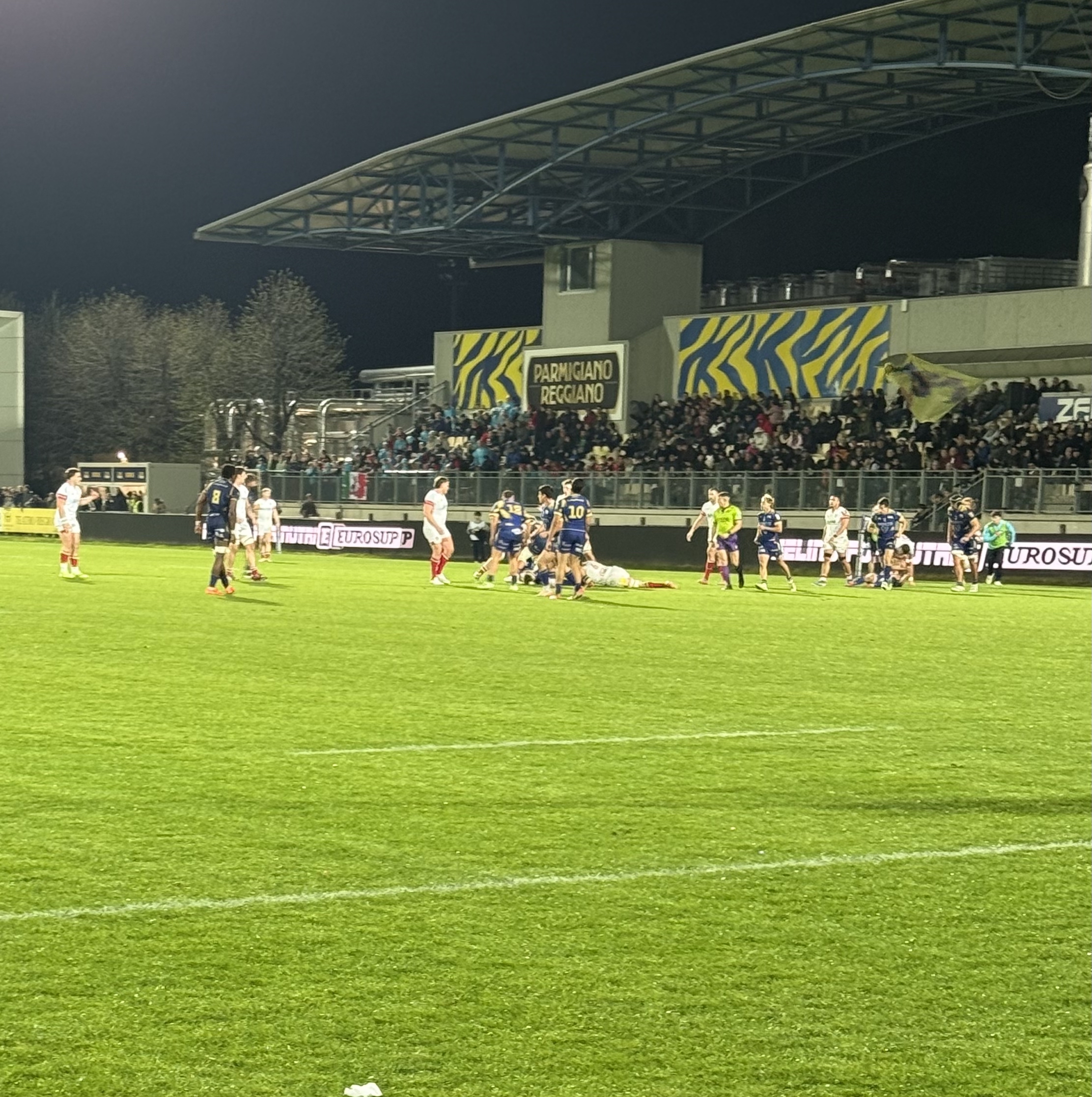
RUGBY.
52 weeks built around the rugby year, split into separate tracks for Forwards and Backs. Pre-season build, in-season load management, collision prep, and return-to-play protocols. Built by a coach at Ulster Rugby Academy.
BUILT FOR THE COLLISION.
The Rugby Pathway is a 52-week programme built around the demands of the rugby year — collisions, contact, repeated sprints, and the kind of full-season durability that other sports don't ask for. It splits into Forwards and Backs tracks because the two positions train differently — and any programme that pretends otherwise isn't a real rugby programme.
FORWARDS & BACKS, SPLIT
Two tracks. Forwards train for mass, contact, and repeated effort. Backs train for speed, agility, and acceleration. Picked when you start the programme. Switch any time if you change position.
CONTACT-READY
Neck strength, isometric trunk work, scrum-position carries, and tackle-prep loading — built in from pre-season onwards. Not Instagram-style "rugby workouts". The actual collision-prep protocols used at academy level.
IN-SEASON DURABILITY
Rugby's long season punishes players who don't manage load properly. The in-season blocks are deliberately short, sharp, and recovery-aware. Designed to keep you in the team — not break you down by Christmas.
PICK YOUR POSITION.
Forwards and Backs share the season phases, but the work inside each session shifts based on position. Choose your track when you start.
Built for the work rate, mass, and repeated collisions of the pack. Heavier loading on the strength days. More accessory neck and trunk work. Conditioning that mimics ruck-to-ruck demands.
- Higher hypertrophy volume for size + collision tolerance
- Specific neck and trap work every session
- Carries, sleds, and isometric holds emphasised
- Conditioning at repeated high-intensity work-to-rest ratios
Built for speed, change of direction, and repeated sprints. Power emphasis throughout the year. Lower hypertrophy volume so you stay light and fast.
- Sprint and acceleration work every week
- Reactive plyometrics and lateral power emphasised
- Lighter, faster strength sessions
- Hamstring and groin robustness work non-negotiable
FIVE PHASES. ONE SEASON.
The rugby year breaks into five distinct phases. The programme moves through all of them and routes you to the right entry point based on when in the season you start.
The hard yards. Strength, mass, and conditioning base. Heaviest training of the year. Get this right and the season takes care of itself.
First league block. Hold the pre-season gains while managing match load. Two short, focused sessions a week alongside team training.
Deepest part of the season. Christmas break used as a strength re-introduction window. Focus shifts to maintenance and injury prevention.
Knockouts and play-offs. Sharpened, fresh, and ready to peak. Strength volume drops, power intensity stays high. You arrive at the big games at your best.
Active rest, decompression, and a short return-to-training ramp. Rugby off-seasons are short — this phase respects that.
IS THIS YOU?
- You play club, school, age-grade, or academy rugby — Forwards or Backs
- Your club S&C is inconsistent, generic, or doesn't exist
- You want the same training model used at academy level — adapted for your week
- You want a programme that recognises that scrum-halves and second-rows don't train the same way
EARLY SEASON. FORWARDS.
Three sessions during the early season block for Forwards, fitting around 2 team sessions per week and a Saturday match. Backs follow the same week structure with adapted exercise selection and intensity.
- Back Squat4 × 5 @ 75%
- RDL3 × 6
- Bulgarian Split Squat3 × 6/side
- Sled Push (Heavy)4 × 20m
- Nordic Curl3 × 5
- Bench Press4 × 5 @ 75%
- Weighted Pull-up4 × 6
- DB Bench Press3 × 8
- Chest-Supported Row3 × 8
- Neck 4-Way3 × 10 each direction
- Trap Bar Jump4 × 3
- Push Press3 × 3 @ RPE 7
- Med Ball Slam3 × 5
- Suitcase Carry3 × 30m heavy
- Copenhagen Plank3 × 30s/side
Backs Track shifts the lower day to power-emphasis with sprint work, lighter strength loading, and added agility drills. Same schedule, different content inside each session.
WHAT YOU NEED.
A full gym setup with sled and pitch access. Most rugby clubs and commercial gyms have everything required. Academy-level kit is ideal but not essential.
BUILT BY A PROFESSIONAL.
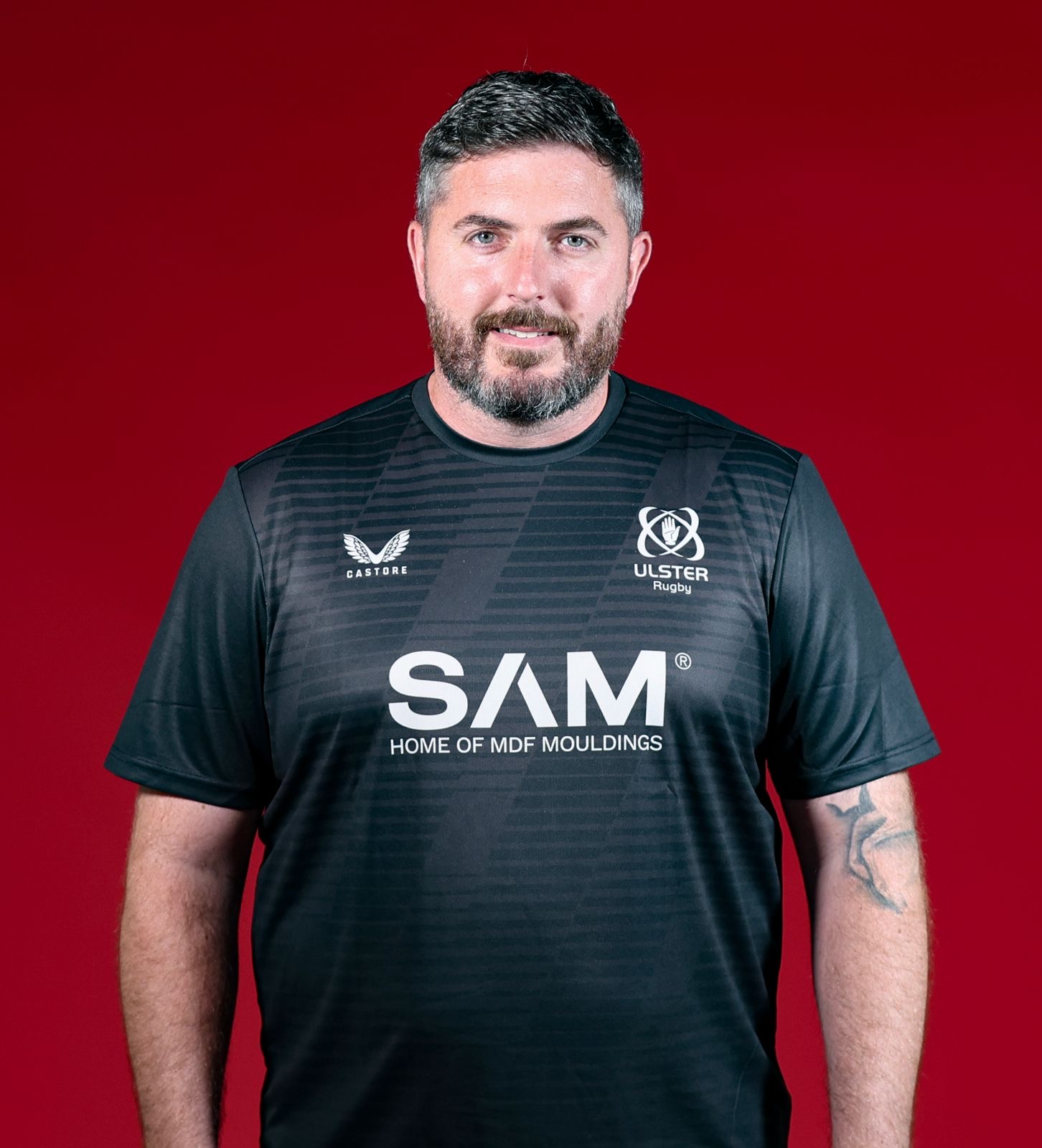
CONALL McELHOLM
The Rugby Pathway is built on the exact methods applied daily at Ulster Rugby Academy — one of Europe's leading professional rugby pathways. Forwards and Backs tracks reflect the same split used inside the academy, adapted for club and age-grade athletes. 15+ years across elite sport. MSc in Strength & Conditioning Science. Currently completing a PhD at St Mary's University researching bike sprint protocols in rugby.
BEFORE YOU START.
START THE PATHWAY.
TODAY.
7 days free. £9.99/month after. Cancel anytime.
START FREE TRIAL →